

You roll over and glance at the clock. 3:07AM. Again.
Your chest feels a little tight. Your thoughts start racing.
You’re wide awake—but you’re not sure why.
Or maybe it’s during the day.
Your jaw tightens after a conversation you didn’t enjoy.
Your stomach flips as you read a text message.
You keep yawning, even though you had a full night’s sleep.
These moments? They’re not random.
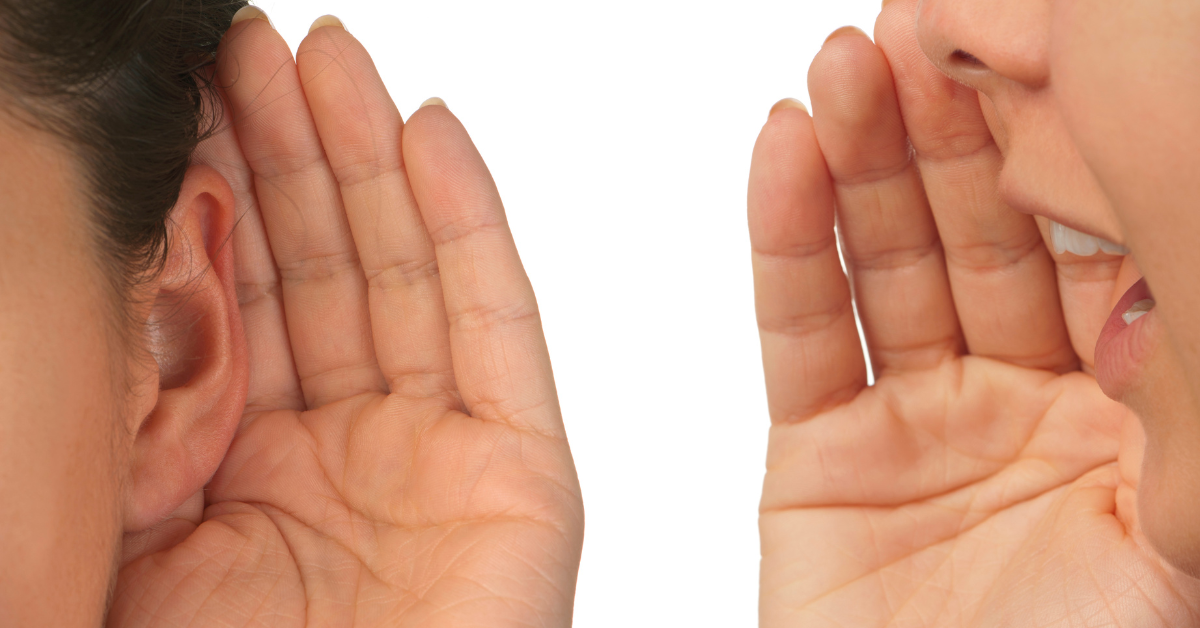
They’re whispers.
The body has a language.
And it speaks to you every single day.
But unlike the health scares and loud symptoms that grab your attention… this language begins softly.
Quietly.
Intentionally.
And if no one ever taught you how to hear it—that’s not your fault.
It’s just that we live in a world that teaches us to tune out instead of tune in.
But the good news?
You can learn the language again. And it starts with understanding why your body speaks the way it does.
Why Whispers Come First
God, in His infinite wisdom, didn’t create your body to knock you flat the moment something goes wrong.
That would violate the loving, gentle nature of the design itself.
Instead, He embedded a real-time communication system within you—what I call your body’s operating system, or bodyOS.
This system was created to alert you long before crisis mode.
But unlike emergency alarms, these alerts start soft.
Why?
Because the whisper builds awareness.
The whisper fosters trust.
The whisper gives you the power to choose healing instead of just reacting to illness.
It’s like a child tugging on your shirt saying, “Hey, Mom, look at this,” versus screaming in panic.
The body prefers to tug gently.
But when it gets ignored?
The scream eventually comes.
And this is where so many people live—stuck in the scream.
Managing crisis after crisis.
But healing starts before the crisis.
Healing starts in the whisper.
What Do Whispers Look Like?
Let’s get practical.
What does a whisper look like in real life?
Here are some of the most common subtle signals I see people dismiss every day:
1. Tension in the Jaw
You’re not grinding your teeth, but your jaw feels tight.
This can be a sign of emotional suppression—often tied to unspoken frustration or the feeling that you can’t fully express yourself.
Your body might be saying:
“Something inside wants to be voiced.”
2. Shoulders Creeping Up to Your Ears
Especially during work calls or while scrolling, you might notice your shoulders inching upward.
Most people assume it’s just poor posture.
But here’s something important: your upper trapezius muscles are neurologically connected to your eyes.
When your visual system is overstimulated (like staring at a screen all day), your shoulders often compensate by bracing.
Your body might be saying:
“I’m visually and emotionally overwhelmed.”
3. Stomach Ache When Looking at a Menu
It’s not food poisoning. It’s not a food allergy.
You haven’t even eaten yet.
But your gut tenses when you look at the options.
You may override that whisper and order anyway—because it’s what you always get, or you don’t want to be difficult.
But that little ache is one of your body’s earliest protective responses.
Your body might be saying:
“This isn’t for you right now.”
4. Frequent Yawning—Even When You’re Rested
Yawning is more than fatigue.
It’s often a nervous system response—a subconscious way your body tries to reset and calm itself down.
It’s also a whisper that your digestive juices may be low. Low stomach acid is a common cause of bloating, sluggish digestion, and yes… yawning.
Your body might be saying:
“Your system needs support—physically and emotionally.”
5. Sudden Sneezing Without Allergies or a Cold
Random sneezes are a subtle immune response kicking into gear—your body is picking up on something in your environment or your internal state that doesn’t sit right.
It’s a request for rest, for more water, and a demand for no sugar. Sugar depletes your immune system faster than any virus or bacteria can.
Your body might be saying:
“I’m sensing a shift. I’m clearing something out.”
6. Waking Up at 3AM
One of the most honest and common whispers is a middle-of-the-night wake-up.
Your eyes fly open. Your heart might race. You feel alert, even though you want to sleep.
From a physical standpoint, this can be blood sugar instability or liver overload (which is active between 1–3AM in Traditional Chinese Medicine).
Emotionally, it’s often tied to unprocessed resentment, frustration, or even spiritual unrest.
But spiritually?
It may be a nudge.
A moment where the noise of the day is finally low enough for God to speak.
Your body might be saying:
“Pause. There’s something deeper here.”
Introducing bodyOS: Your Internal Operating System
Just like your phone runs on a software system that keeps everything functional, your body has an internal operating system that’s running all the time—whether you’re paying attention or not.
I call it bodyOS.
It governs healing, detoxification, digestion, hormone balance, emotional regulation, and more.
And every signal—whether it’s a craving, an ache, or a wake-up call—is part of this system trying to help you heal.
To make it simple, I break the bodyOS into four main pillars:
🧠 1. Physical
This includes your gut, immune system, circulation, hydration, blood sugar, detox organs, muscles, joints, and overall structure.
Questions to ask:
- Is my body nourished?
- Am I sleeping deeply and waking rested?
- Am I over-exercising or under-recovering?
✨ 2. Spiritual
This pillar addresses purpose, peace, and your connection to the Creator.
Are you living aligned with how God designed you to live? Are you open to His voice?
Questions to ask:
- Have I invited God into my health journey?
- Am I carrying spiritual unrest, fear, or guilt that’s weighing on my body?
💛 3. Emotional
Emotions are energy. They get stored in the body when unprocessed. Think of anger in the liver, sadness in the lungs, fear in the kidneys.
Questions to ask:
- What feelings am I ignoring?
- What situations or people trigger physical sensations?
🧩 4. Mental
This pillar includes your thought life, beliefs about your body, stress, mental overload, and mindset.
Questions to ask:
- Am I stuck in a loop of overthinking or fear?
- What story am I telling myself about my body?
The Power of Listening Before It’s Loud
When you learn to tune into these four pillars—through the lens of bodyOS—you no longer have to guess what’s going on.
You no longer feel like you’re failing at health.
You start to understand your body.
You respond with compassion, not confusion.
And slowly but surely…
The need for your body to yell goes away.
How to Begin Tuning In Today
You don’t need another protocol.
You don’t need to overhaul your diet tonight.
You just need to start listening.
Here’s how:
✅ Download the free “My Body’s Whispers” Journal.
It’s a gentle daily tool to help you track subtle body signals and reflect on what they may mean.
(Link below!)
✅ Check in daily.
Ask yourself:
- What feels different in my body today?
- What might this be trying to show me?
✅ Pause when a whisper comes.
That tight chest, that lump in your throat, that late-night wake-up?
Don’t rush past it.
Ask: “God, what are You showing me right now?”
✅ Offer gratitude.
Even if you don’t understand the message yet, say:
“Thank You, body, for speaking. I’m learning to listen.”
Final Reflection: It’s Not Too Late to Hear the Whisper
You haven’t failed if you’ve missed the signals.
You haven’t failed if you’re waking up at 3AM or feeling exhausted or overwhelmed.
You just haven’t been taught how to listen yet.
But now?
Now you know.
Your body is not a problem to solve.
It’s a divine system to partner with.
And the invitation is simple:
Slow down.
Get curious.
Trust that the whisper is enough.
Because the whisper is where the healing begins.
📓 Want to Start Listening Today?
Download the free My Body’s Whispers Journal to begin tuning into your body—one moment at a time.
👉 https://os.drbrooksheehan.com/bodys-whispers-journal
👥 Join the Free Community
You’re not meant to do this alone. Come connect with other women learning to understand their bodies through the lens of bodyOS.
👉os.drbrooksheehan.com/body-talks-newsletter
Stay curious. Stay kind to your body. And keep listening.
—Dr. Brook
Why You’re Craving What’s Hurting You
By Dr. Brook Sheehan
You know you shouldn’t.
You’ve told yourself a hundred times you wouldn’t.
But here you are again—
Reaching for the chocolate.
Scrolling to see if they texted back.
Saying “yes” when your body already said “no.”
You don’t feel good afterward.
You might even feel a little ashamed.
But you do it again tomorrow.
If you’ve ever asked yourself, “Why do I keep going back to what I know hurts me?”—you’re not alone.
In fact, the Apostle Paul said it this way in Romans 7:
“I do not understand what I do. For what I want to do I do not do, but what I hate I do.” (Romans 7:15 NIV)
This tug-of-war isn’t just spiritual—it’s physiological, emotional, and deeply human.
And often, it shows up through what we crave.
So let’s talk about cravings.
Not from a place of shame.
But from a place of curiosity.
Because cravings aren’t mistakes.
They’re messages.
And when you listen closely, they’ll tell you everything you need to know about what’s really going on underneath.
Cravings Are Signals, Not Character Flaws
We’ve been conditioned to see cravings as weakness.
To believe that wanting sugar, salt, or attention is some kind of personal failure.
But the truth is:
Cravings are your body’s way of asking for help.
They’re signals that something is misaligned—physically, emotionally, mentally, or spiritually.
Let’s unpack some of the most common ones… and what they might be whispering to you.
Craving Sugar? Your Brain Is Running in Overdrive
When you’re reaching for sugar, the urge might feel out of control.
But biologically, it makes perfect sense.
Your brain needs glucose to function. It’s your brain’s primary fuel source, and when you’re under stress—whether emotional or physical—your brain starts demanding more of it.
According to a study published in Nature Reviews Neuroscience, stress increases neuronal activity and can deplete glucose stores faster than normal, prompting sugar-seeking behavior to replenish that supply .
So if you’re juggling a million responsibilities, skipping meals, or feeling emotionally drained, that craving isn’t just a “bad habit.”
It’s your body’s SOS:
“My energy’s crashing. I need quick fuel.”
But sugar cravings can also point to something more subtle—an emotional hunger for sweetness.
Sweetness in your schedule.
Sweetness in your relationships.
Sweetness in your inner dialogue.
Ask yourself:
- Am I nourishing my body with enough protein and healthy carbs to keep blood sugar stable?
- Am I missing joy, comfort, or delight in my daily life?
- Am I reaching for sugar because I’m under-fueled… or under-loved?
Craving Salt? Your System May Be Crying Out for Stability
Salt cravings aren’t random either.
They often show up when your adrenals are overworked.
When you’re under constant stress, your adrenal glands push out cortisol—your primary stress hormone. This depletes electrolytes like sodium, and your body starts looking for ways to restore balance.
Salt helps with fluid retention, nerve function, and blood pressure regulation.
So your salt craving might mean:
“I’m depleted. I’m stretched. I need grounding.”
On an energetic level, salt is tied to boundaries. It helps preserve, protect, and hold structure.
Ask yourself:
- Where am I leaking energy?
- Where am I saying “yes” when I need to say “no”?
- Is this craving a call to replenish or reinforce?
Craving Toxic People? It’s Familiar Pain Masquerading as Safety
Some of the strongest cravings aren’t for food.
They’re for people who consistently leave you empty, drained, or doubting your worth.
So why do we go back?
Because sometimes, we confuse familiarity with safety.
If we grew up learning that love required self-sacrifice or pain, our nervous system may find comfort in chaos.
The craving to reconnect with someone toxic is often a trauma response, not a love story.
You may be craving:
- Resolution
- Validation
- Proof that you’re finally “enough” to be chosen
But going back to what’s harmful doesn’t close the loop—it deepens the wound.
Ask yourself:
- What deeper need is this person representing?
- What would it look like to meet that need in a healthier way?
- Am I seeking healing—or reliving hurt?
bodyOS™ and the Root of Every Craving
To decode cravings, we need a full-body approach.
That’s where the bodyOS™ framework comes in—your body’s built-in operating system. It processes every thought, bite, interaction, and belief you encounter.
When cravings arise, they’re almost always rooted in one (or more) of the four bodyOS™ pillars:
🧠 Physical
Is your blood sugar unstable? Are your adrenals shot? Are you getting enough rest, minerals, and protein?
The body’s most basic cravings often stem from nutritional deficiencies or unbalanced physiology.
✨ Spiritual
Are you craving connection with God? Are you living in alignment with His design for your life?
A spiritual drought can create an internal restlessness—one we may unconsciously try to fill with food, scrolling, or attention.
💛 Emotional
Are you suppressing anger, sadness, grief, or shame?
Unprocessed emotions often show up through compulsions. We reach for something “bad” to distract us from what we haven’t faced.
🧩 Mental
Are your thoughts stuck in loops of guilt, fear, or perfectionism?
Cravings intensify when our mental bandwidth is stretched thin. The body says:
“I need relief, and I need it fast.”
What To Do When the Craving Hits
You don’t need to power through with willpower.
You don’t need to shame yourself into better choices.
You just need to pause… and listen.
1. Pause and ask: “What am I really hungry for?”
Try this next time instead of heading straight to the cabinet or sending that risky text.
Often the craving loses power when the real need is acknowledged.
2. Support your body first.
Start with stabilizing blood sugar and hydration.
Try:
- 1/2 tsp sea salt in warm water
- A balanced snack (like nuts or hard-boiled eggs)
- 5 deep belly breaths to calm your nervous system
3. Journal it.
Use your My Body’s Whispers journal to capture the craving. Write:
- What triggered it?
- What were you feeling before it started?
- What would a loving response look like?
4. Invite God in.
A whisper prayer like
“God, show me what I’m truly craving”
can open the door to deeper insight and peace.
Final Word: You’re Not Broken. You’re Communicating.
You don’t crave sugar because you’re undisciplined.
You don’t return to toxic people because you’re weak.
You don’t feel out of control because you’re failing.
You’re human.
You’re hungry—for clarity, connection, safety, peace.
And sometimes, the only language your body knows how to speak is craving.
But now you know the craving isn’t the end of the story.
It’s the beginning of one.
So the next time you feel the urge to reach for what hurts, pause.
“God, what am I really hungry for?”
You’ll be amazed at what your body—and your heart—reveal.
📬 Want more wisdom like this?
Get monthly doses of insight, symptom stories, and bodyOS™ guidance in the Body Talks Newsletter.
👉 os.drbrooksheehan.com/body-talks-newsletter
Footnote:
[1] Gold, P. E. (2005). Glucose and age-related changes in memory. Neurobiology of Aging, 26, 60–64.
Stress increases neuronal activity and glucose utilization, which may lead to sugar-seeking behavior during prolonged or intense mental exertion.